
4 Pieces Behind Our How to Annotate a Book Pin
This post contains affiliate links. As an Amazon Associate, I earn from qualifying purchases at no extra cost to you.
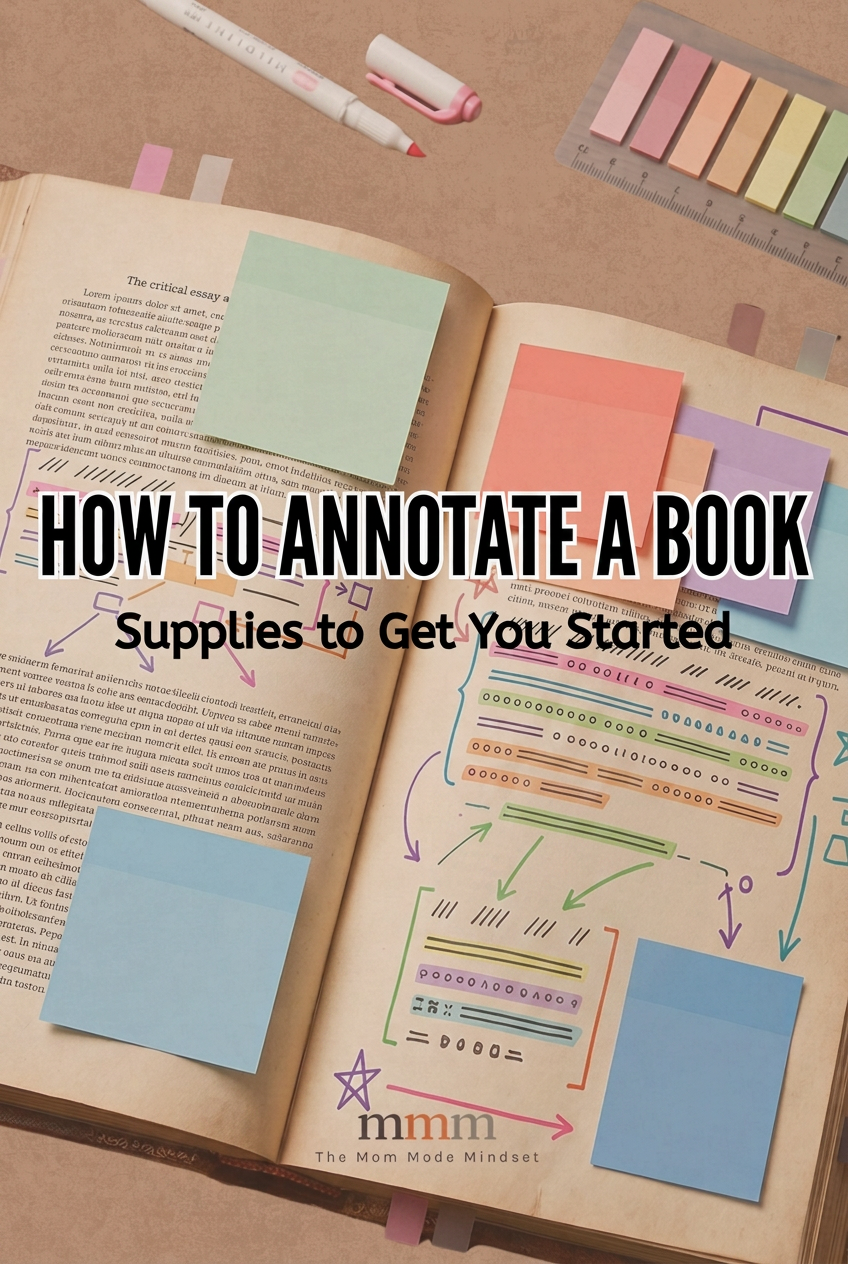
I used to just read a book and move on to the next one. Half the good lines were gone within a week because I never wrote anything down. Annotating changed that, and it turns out it doesn't take much to get started. A few supplies, a little bit of a system, and you're set. Here's exactly what's in the pin, and what each piece is actually for.
If you're not sure where to start, keep it simple. Pick two or three colors and stick with them every time you read, instead of switching systems book to book. A lot of readers use one color for lines they love, one for anything confusing or that raises a question, and one for character or plot details worth remembering later. Underline or highlight the line itself, then add a tab to the edge of the page so you can find it again without flipping through the whole book.
For anything longer than a line, that's where the margin notes come in. Jot down a word or two next to the highlight (why it stood out, what it reminded you of, a question you had) so future you doesn't have to guess. It doesn't need to be neat. Some of my favorite margin notes are just "wait, what" next to a plot twist I didn't see coming.
Here's what's actually in my kit for all of this.
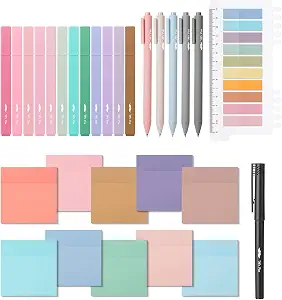
Mr. Pen Aesthetic Book Annotation Kit, 38 pcs
If you'd rather grab one thing and be done, this is it. It comes with 12 no-bleed highlighters, 5 gel pens, and 700 transparent sticky notes and tabs, so you can start color-coding right away without piecing a system together from five different products.
See priceShop it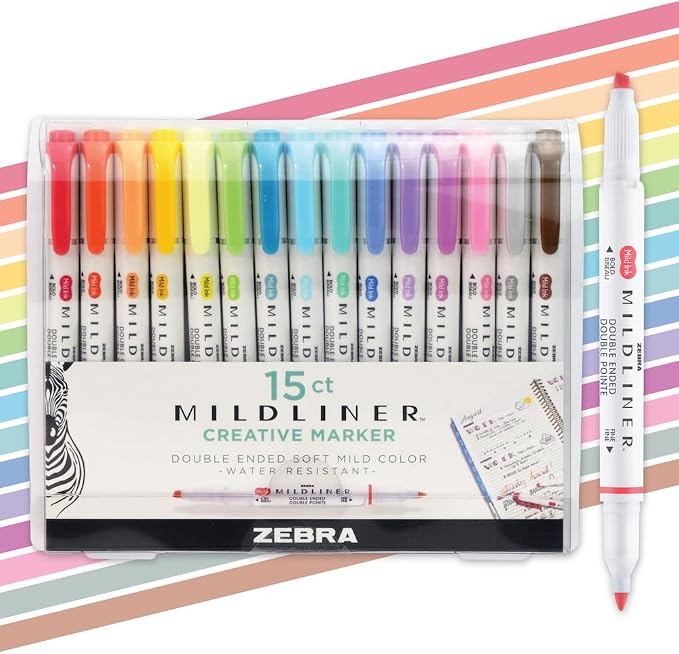
Zebra Pen Mildliner No Bleed Highlighters, 15-Pack
These are the highlighters people actually keep repurchasing. Dual tip, soft colors that don't bleed through thin pages, and enough shades to build a real color-coding system.
See priceShop it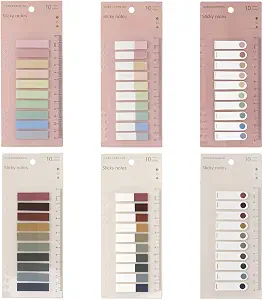
ELII Sticky Tabs, 1200 Pieces
Tabs are the part that make a book easy to flip back through later. These come in Morandi tones so a marked-up chapter doesn't look chaotic, and 1,200 pieces means you're not rationing them.
See priceShop it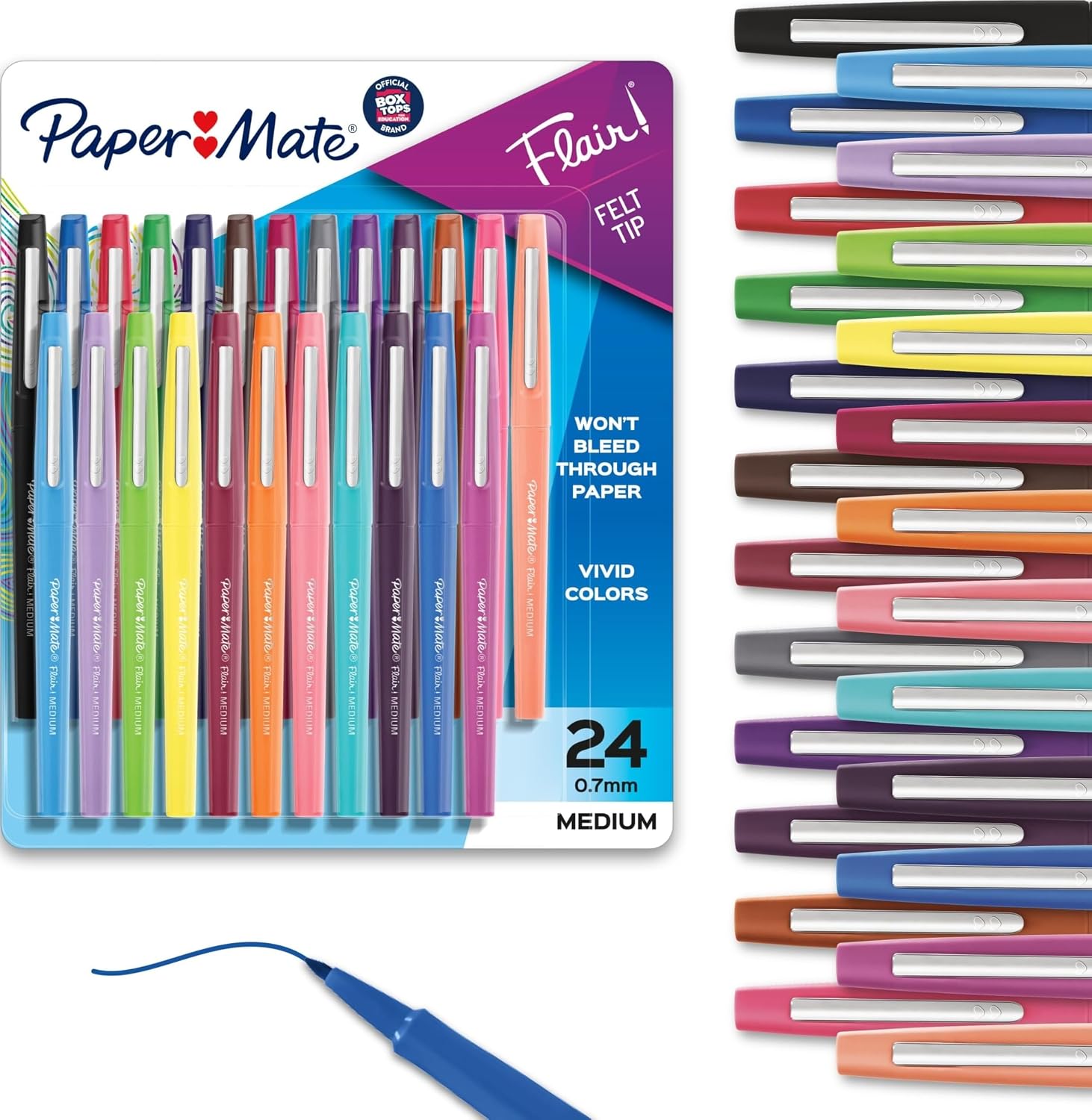
Paper Mate Flair Felt Tip Pens, 12 Count
For the actual notes in the margins. Felt tip instead of ballpoint so the writing stays smooth on thin paperback pages, in enough colors to keep your system consistent.
See priceShop it
Most of what's above lives in a small pouch in my bag now, so annotating happens wherever I'm actually reading, not just at a desk. Some books still end up with more tabs than pages left blank, and that's fine too.
Common questions
- Do I need special pens to annotate a book?
- Not really. Felt tip pens are easier on thin pages than a regular ballpoint, but any pen works if that's what you have on hand.
- What's the best color-coding system for annotating?
- Whatever you'll actually remember. A lot of readers use one color for favorite lines, one for character or plot details, and one for anything that surprised them. Keep it to two or three colors so it stays simple.
- Can I annotate a library book?
- Skip the highlighters and pens for library books. Sticky tabs and sticky notes work great instead since they come off clean and don't mark the page.